These large birds can thrive in a range of habitats from forests to urban areas, although they usually nest near water. This ranges in type from rivers and seas to lagoons and even sewage works. Some populations migrate within Africa during rainy seasons to breed. Individuals fly up to 30km away from their nesting colony in search of their preferred diet of insects, but they can also feed on crustaceans, fish and small mammals which they find by wading in shallow wetlands.

Fun Fact – Sacred ibises were worshipped in ancient Egypt as the god Thoth.
-
Ecology
-
Threats
Some populations are threatened by hunting and outbreaks of avian botulism, as well as egg collection by local Madegascans. However, the global population is stable at 200,000-450,000 individuals as of 2018 and they are listed as least concern by the IUCN.
-
Conservation
Monitoring occurs to ensure the species continues to thrive, and they occur in protected areas. Otherwise, little action is needed to ensure their immediate future. The samples collected by Nature’s SAFE are a long term safeguard to protect them in case populations ever started to decline.
Take action today
Together we can end the extinction crisis
© Rebecca Prest
Help us turn the tide on extinction
At least 50 distinct genetic lines are needed to save each species.
On average, it takes £100 to preserve cell and tissue sample from one animal. That’s at least £5,000 to preserve an entire species.
Make a monthly donation to safeguard the future of our natural world.
Donate Now
Fundraise for us
Sponsor a Fundraising Hero embarking on a challenge, or plan your own fundraiser to support us.
Get Started
Corporate participation
Explore opportunities to develop a corporate partnership with us.
Get Started

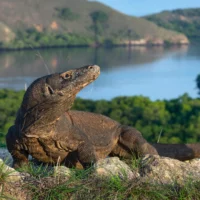
Komodo dragon
Total Population: Around 3,500 in the wild
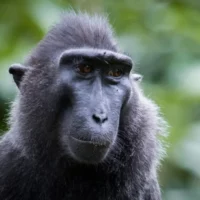
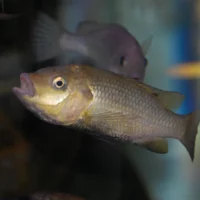
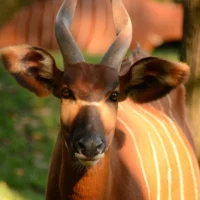
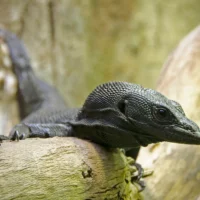
Black tree monitor
Total Population: Unknown
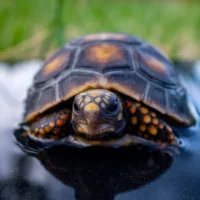
Red-footed tortoise
Total Population: Unknown

Bactrian camel
Total Population: Less than 1,000 in the wild
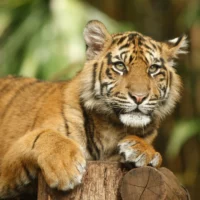

Red Panda
Total Population: Less than 10,000 in the wild
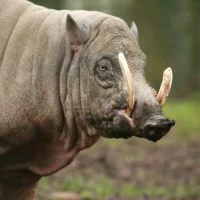
Babirusa
Total Population: Less than 10,000 in the wild
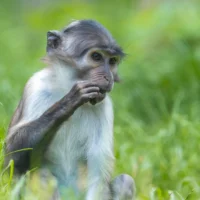
White naped mangabey
Total Population: Around 1,000 in the wild
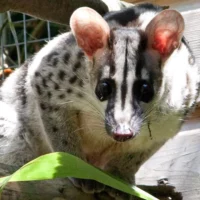
Owston’s palm civet
Total Population: Unknown
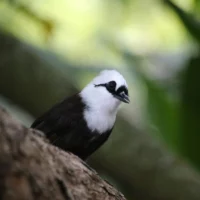
Sumatran laughing thrush
Total Population: 2,500 - 10,000 in the wild
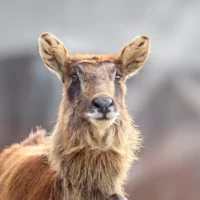
Nile Lechwe
Total Population: 30,000 - 40,000 in the wild
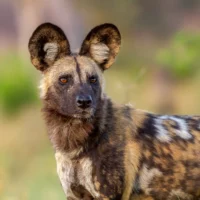
African wild dog
Total Population: Around 6,600 in the wild
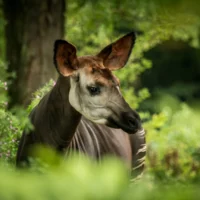
Okapi
Total Population: Less than 25,000 in the wild
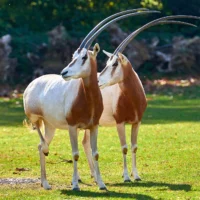
Scimitar-horned oryx
Total Population: Around 400 in the wild