Saving Animals From Extinction, before it's too late

We are Nature’s SAFE, the leading living biobank in the UK set up as a safeguard to protect our planet’s wildlife. We use advanced science to cryopreserve cells and tissues in a living state and ensure a future for at-risk species.

About us

Our natural world is in crisis

With over 18,000 animal species at risk of extinction, we are in a race against time to collect and preserve vital genetics that can support breeding programmes and prove instrumental to ensuring the survival of our natural world.

Donate Now

Who we work with

Our partners

Conservation Partners

Nature’s SAFE provides a third party service to conservation organisations across the UK. We work with zoos, aquariums, wildlife parks, wildlife rescue centres, centres of education and marine stranding organisations. After an animal passes, or during routine veterinary procedures such as castration, we work alongside veterinarians to secure cells and cell tissues to store in our biobank.

Nature’s SAFE is also the European Association of Zoos and Aquaria (EAZA) Biobank’s official UK-based cryopreservation partner.

As a charity, we provide sample storage free of charge at our state-of-the-art facilities. Each conservation partner maintains ownership of all samples they have stored in our biobank.

To assist breeding programme coordinators, we also provide reproductive health checks to our conservation partners upon request to check if their breeding animals are fertile. In addition to this, we collaborate with academic institutions to conduct applied research into cryopreservation and assisted reproductive technologies to further support the work of our conservation partners.

Conservation Partners
Businesses

Due to the scale of the challenge to preserve our natural world, it needs a collective approach. We work with businesses of all sizes who share our vision of a sustainable, and healthy future.

Corporate Partners

Who we are

Our Ambassadors

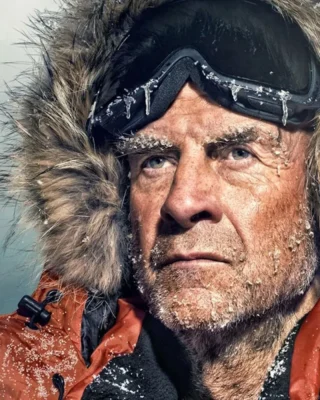
Nature’s SAFE Ambassadors are a distinguished and expert group of people who have achieved a significant profile in their field and are dedicated to the work of our charity.

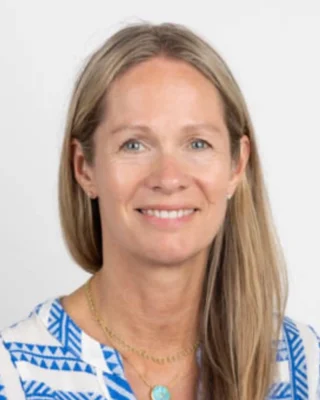
Prof Alison Campbell

Chief Scientific Officer of the Care Fertility Group, Ambassador & Scientific Advisor to Nature's SAFE

What we do

Our success stories


Sea urchins

At the University of Southampton, sea urchins are used as a model species to study processes of animal development such as skeletal development. We helped them preserve sea urchin sperm for the first time so that researchers can use it to fertilise freshly spawned eggs with ease.

Learn More
Acropora millepora coral created with cryopreserved sperm 52 days old, with 1mm scale.
Great Barrier Reef corals

For the first time ever in Europe, coral eggs were successfully fertilised using frozen and thawed coral sperm. This advancement was the result of a direct partnership between the Horniman Museum and Gardens, Nature’s SAFE and the Cryo-corALS network.

Learn More
Swallowtail butterflies

We are collaborating with Anglia Ruskin University (ARU) and Jimmy’s Farm and Wildlife Park to investigate whether a rare butterfly, the British Swallowtail, could be reared from frozen eggs in an effort to safeguard the future of the species.

Learn More
Southern white rhino

A 40-year-old Southern white rhino who passed away in 2021 contributes to the conservation and care of her species, long after her death.

Learn More

governance

Nature’s SAFE is registered as a charity in England and Wales (No 1192876). We are governed by our Board of Trustees.

Charitable Objectives

1.1 To promote for the benefit of the public the conservation, protection and improvement of the physical and natural environment by advancing the conservation of biological diversity, in particular by securing, preserving and facilitating access to genetic and reproductive materials from wildlife taxa.
In furtherance of this object, and consistent with global biodiversity conservation efforts, the Charity shall:
1.2.1 Establish, maintain and develop facilities and systems for the cryopreservation and long-term storage of biological materials, including but not limited to tissues containing immature gametes, mature gametes, embryos, and somatic cells from wildlife across all taxa, including native and exotic.
1.2.2 Safeguard such biological materials as a genetic resource for current and future conservation purposes, including scientific research, assisted reproductive technologies, species recovery programmes and other conservation interventions aimed at preventing extinction and supporting population sustainability and ecosystem resilience
1.2.3 Promote, undertake and support scientific research into gamete biology, reproductive science, cryobiology, vitrification, thawing, regeneration and related technologies relevant to the conservation of endangered taxa, and to publish and disseminate the useful results of such research for global benefit.
1.2.4 Develop, improve and share best practice in cell culture, genetic resource banking and wildlife biobanking techniques to ensure the long-term integrity, viability and accessibility of preserved materials
1.2.5 Collaborate with national and international conservation bodies, research institutions, zoological collections, wildlife organisations and other charities with similar objectives to maximise conservation impact and ensure coordinated, ethical and scientifically robust use of preserved genetic resources
1.2.6 Advance education and raise global public awareness of biodiversity loss, extinction risk, genetic conservation and the role of cryopreservation and biobanking in safeguarding wildlife for future generations
1.2.7 Build capacity, expertise and infrastructure in global wildlife genetic conservation and cryobiology to advance scientific knowledge and promote excellence in conservation practice.
 

Download our informational brochure