Digital adoption

Marine & Freshwater

Marine life has declined by 49% since 1970.

Support the preservation of animal life in our seas and waterways for as little as £5 per month.

Aquatic life is under threat

Climate change

Climate change, driven by greenhouse gas emissions, is gradually warming our oceans. This disrupts marine habitats and alters species distribution. Simultaneously, oceans absorb excess CO₂, forming carbonic acid and lowering pH levels—a process called acidification.

Warmer, more acidic waters weaken coral reefs, reduce oxygen levels, and harm calcifying organisms like shellfish, threatening biodiversity and the stability of marine ecosystems.

Pollution

Pollution from chemicals, oil spills, sewage, and plastics severely harms marine and
freshwater ecosystems by introducing toxins, depleting oxygen, and causing physical damage to wildlife.

Recently, a study found the insecticide fipronil, used in commercial flea treatments for cats and dogs, in 99% of samples from 20 English rivers, posing significant risks to freshwater aquatic insects.

Overfishing

Overfishing depletes fish populations faster than they can reproduce, disrupting food webs and threatening species survival.

In addition to fish populations themselves being harvested at a quicker rate than they can recover, for animals that rely on fish as their main food source, our fishing practices are causing major food shortages.

Support Aquatic Life with a Digital Adoption

We’ve already preserved a diversity of marine & freshwater wildlife in collaboration with our Conservation Partners. In 2024, we even propagated corals from the Great Barrier Reef using biobanked coral sperm for the very first time in Europe.

You support will allow us to provide more extensive biobanking services to our conservation partners, expanding the number of marine & freshwater species we are able to safely preserve.

Species Preserved
Smew, Preserved June 2022

© MikeLane45 Getty Images

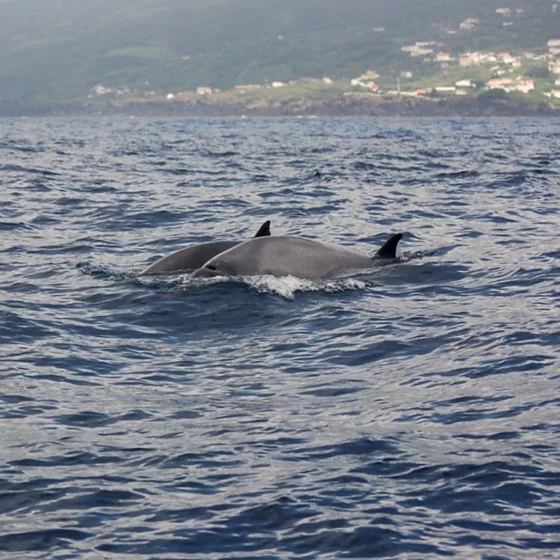
Sowerby's beaked whale, Preserved August 2022

© Christine Veeschkens

Inca tern, Preserved January 2024

© fluffandshutter Getty Images

South American fur seal, Preserved May 2023

© Michael Meijer

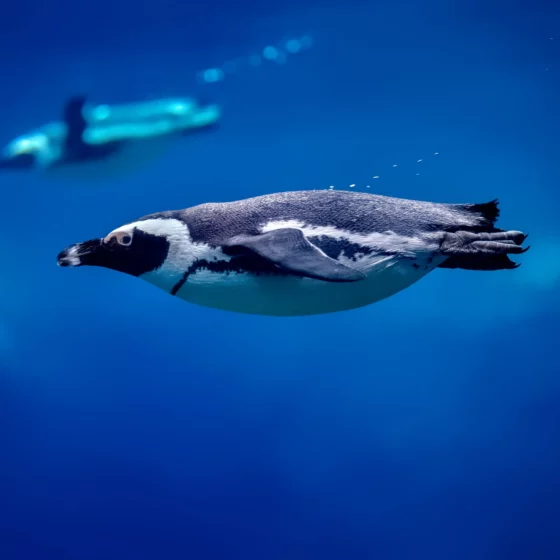
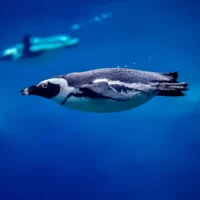
Humboldt penguin, Preserved August 2022

© Antagain Getty Images

Macaroni penguin, Preserved April 2023

© mzphoto11 Getty Images

Common hippo, Preserved August 2023

© StuPorts Getty Images

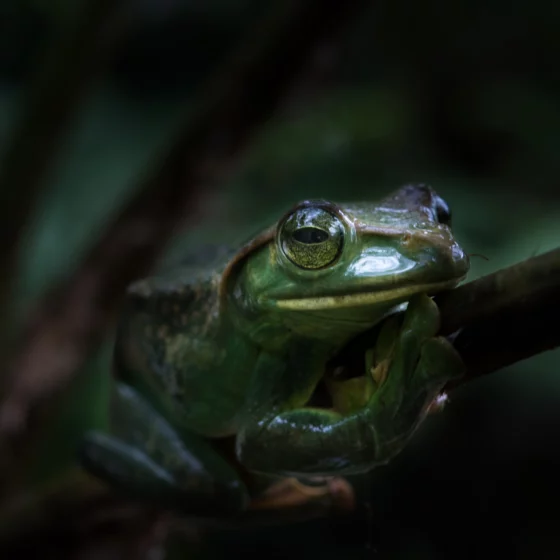
Fea's tree frog, Preserved April 2022

© fototrips Getty Images

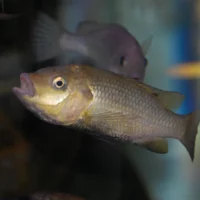
Unga cichlid, Preserved March 2023

© Steven & Courtney Johnson & Horwitz

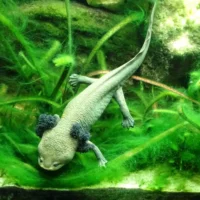
Lake Patzcuaro salamander, Preserved March 2023

© Pito22 Animalia

Your impact over one year

  • £5 per month

    Secures storage space for six samples.

  • £10 per month

    Covers sample collection, processing and storage of a sample.

  • £20 per month

    Allows us to cultivate new cell lines from one animal.

What you’ll receive
Conservation insights

Conservation insights from our team, including information about the biggest threats facing aquatic life and how Nature’s SAFE is working to protect it.

Actionable Advice

Actions you can take to protect aquatic ecosystems now.

Posters and fact files

Printable posters and fact files of our seven key species, complete with custom illustrations by Rachel Brooks.

Digital screensavers

Downloadable screensavers for your phone, tablet and desktop featuring our custom species artwork.

Get your digital adoption kit

Don't forget to...

A Gift Aid declaration allows Nature’s SAFE to claim tax back on eligible donations from UK taxpayers – for every £1 you donate, we can claim back 25p, at no extra cost to you!

The amount of tax we claim will be 25% of the total value of your donations in that tax year. If you’re a higher taxpayer, you’re also entitled to claim the difference between the basic rate we claim and the amount of tax you’ve actually paid. (For further details on how you can do this, please contact your tax office.)

DISCLOSURE STATEMENT:

At Nature’s SAFE, your donation directly supports our mission to save animals from extinction. Funds are primarily used to process and cryopreserve samples from wildlife to include all taxa and UK native species.

A portion of donations also supports our team and essential operating costs, ensuring we can continue our vital work. These include laboratory resources, storage infrastructure, and the necessary overheads that enable our day-to-day work to continue effectively.

Every contribution helps preserve biodiversity and protect the future of our planet’s wildlife.

FAQs

  • What is cryo-conservation?

    Right now, populations are declining in 48% of our planet’s animal species. As individuals are lost within a species, its genetic diversity is reduced. This makes a species more vulnerable to extinction, as genetic diversity confers resilience to disease and environmental changes. If population numbers drop too low, individual survival rates start to decline dramatically.

    Cryo-conservation refers to the use of cryopreservation technologies in wildlife conservation. Traditionally, biological material has been stored in biobanks in a way that allows for DNA to be analysed for genetic studies, but not in a way that living animals can be produced from the preserved material. Through cryopreservation, we preserve reproductive cells and tissues at -196°C in a living state. These cells and tissues are collected from animals post-mortem or during routine veterinary procedures, such as castration. As these cells are still alive, they can be used to establish live pregnancies in the future through reproductive technologies such as IVF and induced pluripotent stem cell technology. This helps to bolster animal populations and improve genetic diversity, leading to healthier, more resilient animal populations.

    Nature’s SAFE preserves samples from extant wildlife in collaboration with our conservation partners. Our goal is to prevent these species from going extinct.

  • What will my money support?

    At Nature’s SAFE, your donation directly supports our mission to save animals from extinction. Funds are primarily used to process and cryopreserve samples from wildlife to include all taxa and UK native species.
    A portion of donations also supports our team and essential operating costs, ensuring we can continue our vital work. These include laboratory resources, storage infrastructure, and the necessary overheads that enable our day-to-day work to continue effectively.

    Every contribution helps preserve biodiversity and protect the future of our planet’s wildlife.

  • What is included in the digital adoption pack?

    Each digital adoption pack includes:

    • Information about the biggest threats currently facing aquatic animal life
    • Conservation insights from our team, showcasing how Nature’s SAFE is working to protect biodiversity
    • Actionable advice on how to protect aquatic ecosystems now
    • Printable posters and fact files of our seven key species, complete with custom illustrations by Rachel Brooks
    • Downloadable screensavers for your phone, tablet and desktop featuring our custom species artwork

how to help

For many species, it’s now or never.

Donate Now

or why not Fundraise For Us?

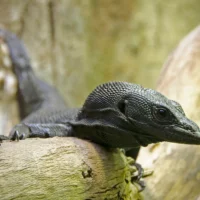
Black tree monitor

Total Population: Unknown

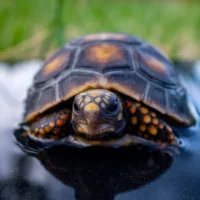
Red-footed tortoise

Total Population: Unknown

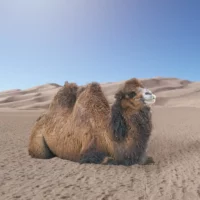
Bactrian camel

Total Population: Less than 1,000 in the wild

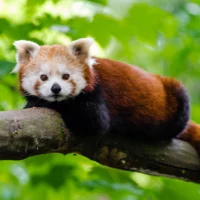
Red Panda

Total Population: Less than 10,000 in the wild

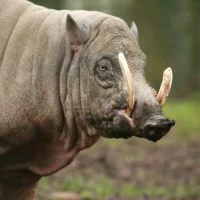
Babirusa

Total Population: Less than 10,000 in the wild

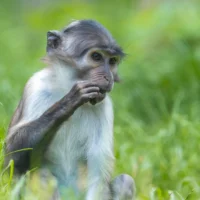
White naped mangabey

Total Population: Around 1,000 in the wild

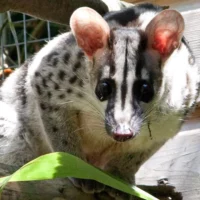
Owston’s palm civet

Total Population: Unknown

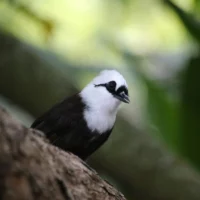
Sumatran laughing thrush

Total Population: 2,500 - 10,000 in the wild

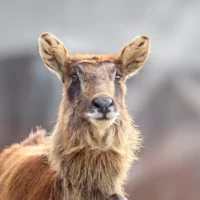
Nile Lechwe

Total Population: 30,000 - 40,000 in the wild

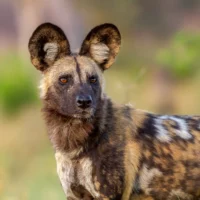
African wild dog

Total Population: Around 6,600 in the wild

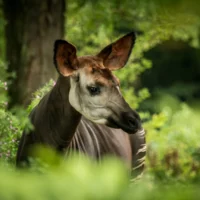
Okapi

Total Population: Less than 25,000 in the wild

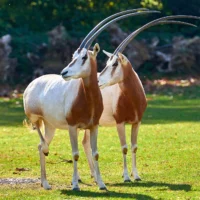
Scimitar-horned oryx

Total Population: Around 400 in the wild