These squirrels prefer to nest in the cavities of coniferous and deciduous trees, but can also be found in parks, urban areas and lowland to subalpine mixed forests. In scattering and burying hoarded food such as seeds, acorns and fungi as a winter store, they aid the reforestation process. They can also feed on bark which they strip off trees, meaning some consider them a forestry pest. Despite their name, Eurasian red squirrels have more variation in coat colour than most other mammals in the Palearctic region, from bright orange to dark brown with grey tinges.
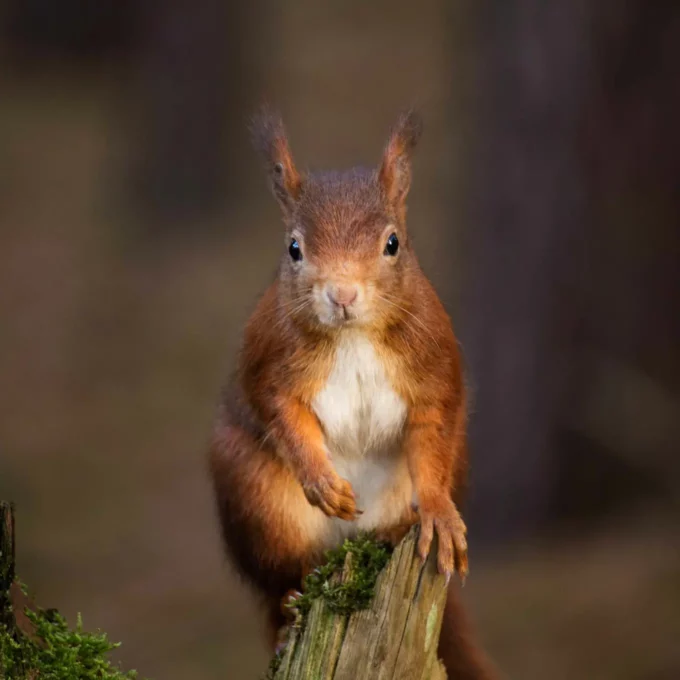
Fun fact – Red squirrels have double-jointed ankles and are either left- or right-handed!
-
Ecology
-
Threats
Natural predation by birds and mammals means the death rate is high in young Eurasian red squirrels. In the UK, red squirrels have been out-competed by the introduced grey squirrel, Sciurus carolinesis, which can carry a virus which is fatal to red squirrels. Grey squirrels are also becoming established across Europe throughout the red squirrels’ range, presenting a greater threat for the future. In urban areas, road accidents are a notable cause of squirrel deaths, and they are used in the fur and pet trade.
-
Conservation
In Britain, grey squirrel management is a key part of protecting red squirrels, as this leaves more food and nesting sites available to red squirrels. Studies have been done into the gut bacteria of squirrels and the impact this can have on their diet and health. Areas with established populations have translocated red squirrels to set up new populations across the UK. Nature’s SAFE stores samples to allow for future regeneration of these important native mammals.
Take action today
Together we can end the extinction crisis
Preserved January 2024
Help us turn the tide on extinction
At least 50 distinct genetic lines are needed to save each species.
On average, it takes £100 to preserve cell and tissue sample from one animal. That’s at least £5,000 to preserve an entire species.
Make a monthly donation to safeguard the future of our natural world.
Donate Now
Fundraise for us
Sponsor a Fundraising Hero embarking on a challenge, or plan your own fundraiser to support us.
Get Started
Corporate participation
Explore opportunities to develop a corporate partnership with us.
Get Started
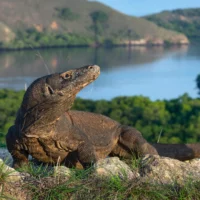
Komodo dragon
Total Population: Around 3,500 in the wild
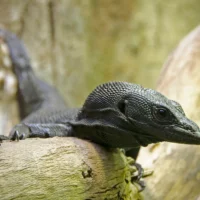
Black tree monitor
Total Population: Unknown
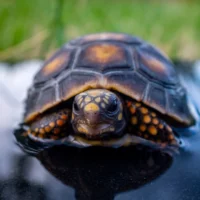
Red-footed tortoise
Total Population: Unknown
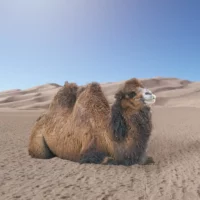
Bactrian camel
Total Population: Less than 1,000 in the wild
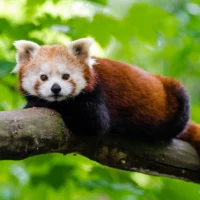
Red Panda
Total Population: Less than 10,000 in the wild
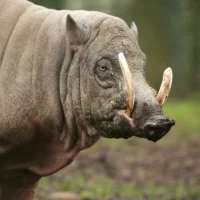
Babirusa
Total Population: Less than 10,000 in the wild
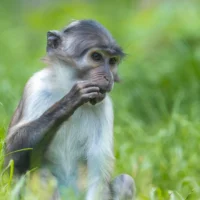
White naped mangabey
Total Population: Around 1,000 in the wild
Owston’s palm civet
Total Population: Unknown
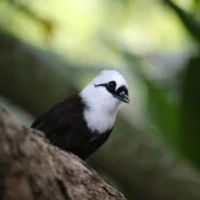
Sumatran laughing thrush
Total Population: 2,500 - 10,000 in the wild
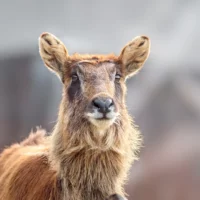
Nile Lechwe
Total Population: 30,000 - 40,000 in the wild
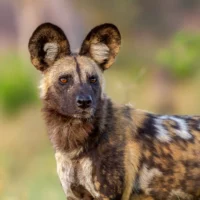
African wild dog
Total Population: Around 6,600 in the wild
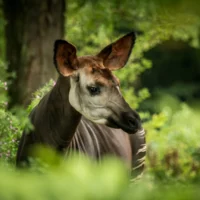
Okapi
Total Population: Less than 25,000 in the wild
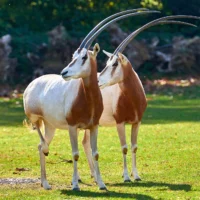
Scimitar-horned oryx
Total Population: Around 400 in the wild