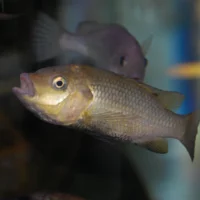
Leka keppe cichlids form schools at the surface, although they spend most time on the lake bed around submerged wooden or stone structures. They feed by opening their mouths and sucking algae and organic debris off these surfaces. Most individuals are silver-grey in colour with a black band from their opercle to the base of their caudal fin.
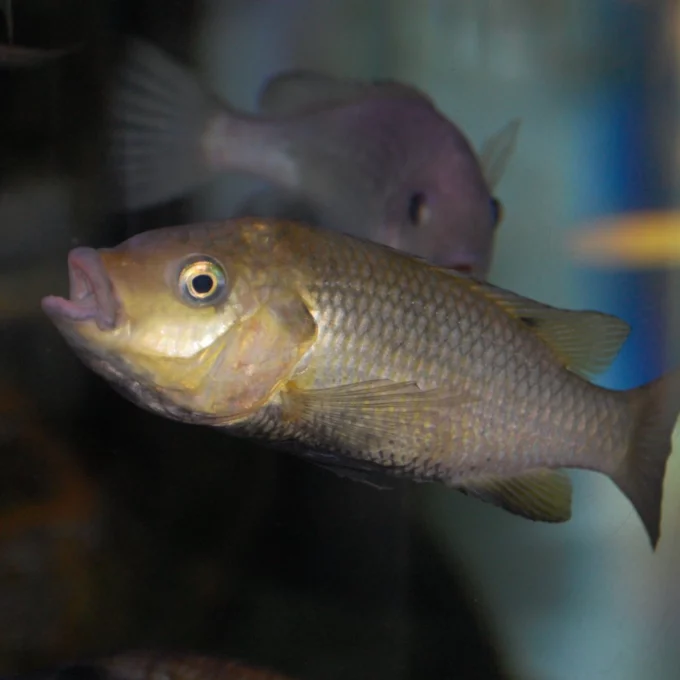
Fun Fact – Breeding pairs form close bonds whole raising young, but these bonds are temporary.
-
Ecology
-
Threats
Leka Keepe may be threatened by carbon dioxide given off by lakes in a process known as ’lake burping’, as deep water species have been found dead on the surface of unusually turbid water. Slash and burn agriculture also pollutes the lake and causes sediment to enter the water. Deforestation around the lake leaves it more exposed to wind, which disturbs the low oxygen, high organic matter layer where these fish live. Water is also being pumped out of the lake to supply the nearby town of Kumba, leaving them less available habitat.
-
Conservation
Commercial fishing is forbidden in the lake and no non-native species have been introduced, but far more conservation action is required, including surveys to find out the current population and to learn more about their ecology. Nature’s SAFE stores samples to increase potential future populations.
Take action today
Together we can end the extinction crisis
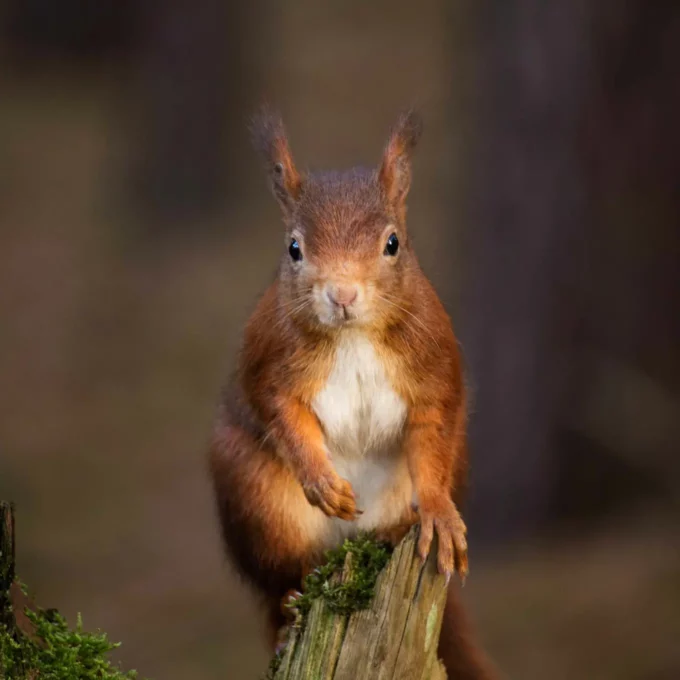
© Rebecca Prest
Help us turn the tide on extinction
At least 50 distinct genetic lines are needed to save each species.
On average, it takes £100 to preserve cell and tissue sample from one animal. That’s at least £5,000 to preserve an entire species.
Make a monthly donation to safeguard the future of our natural world.
Donate Now
Fundraise for us
Sponsor a Fundraising Hero embarking on a challenge, or plan your own fundraiser to support us.
Get Started
Corporate participation
Explore opportunities to develop a corporate partnership with us.
Get Started
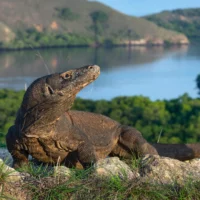
Komodo dragon
Total Population: Around 3,500 in the wild
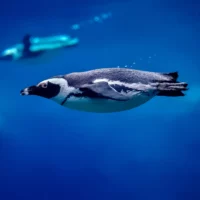
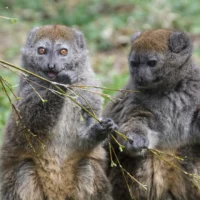
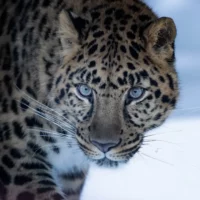
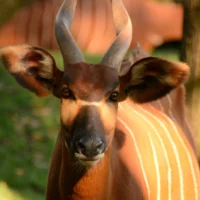
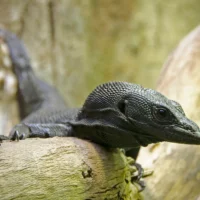
Black tree monitor
Total Population: Unknown
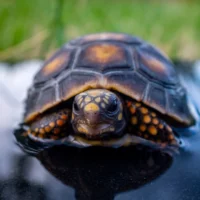
Red-footed tortoise
Total Population: Unknown
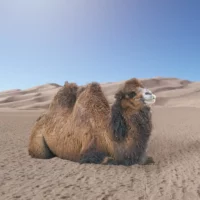
Bactrian camel
Total Population: Less than 1,000 in the wild
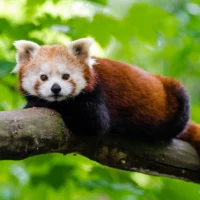
Red Panda
Total Population: Less than 10,000 in the wild
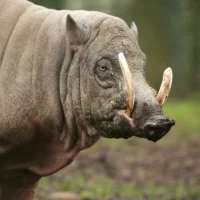
Babirusa
Total Population: Less than 10,000 in the wild
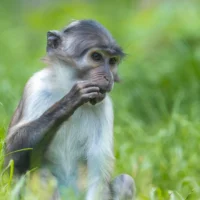
White naped mangabey
Total Population: Around 1,000 in the wild
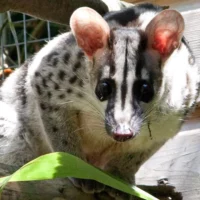
Owston’s palm civet
Total Population: Unknown
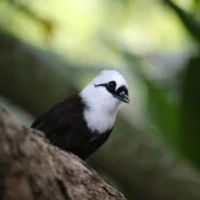
Sumatran laughing thrush
Total Population: 2,500 - 10,000 in the wild
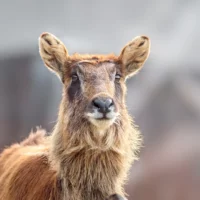
Nile Lechwe
Total Population: 30,000 - 40,000 in the wild
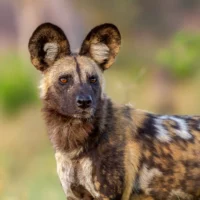
African wild dog
Total Population: Around 6,600 in the wild
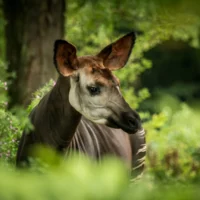
Okapi
Total Population: Less than 25,000 in the wild
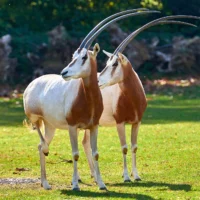
Scimitar-horned oryx
Total Population: Around 400 in the wild