This grassland and swamp-dwelling deer feeds on grasses, aquatic reeds and leaves, often spending long periods of time wading or swimming in water. Females form social single-sex herds, though males join these herds to breed during rutting season. Males use their large antlers for mock and real fights during these ruts.

Fun Fact – the 11th Duke of Bedford was the driving force behind gathering the last 18 individuals alive to form a breeding herd which saved the species!
-
Ecology
-
Threats
Hunting and habitat loss were the key drivers behind the extinction of the Père David’s Deer, with sport hunting wiping out the last wild population. Today, lack of genetic diversity is the main threat, as the surviving individuals are severely inbred. This makes them vulnerable to environmental changes or local disasters.
-
Conservation
The surviving populations in zoos and game parks are carefully managed – for example, the European population was moved during WW2 to protect them from bombing. Reintroduction programmes are ongoing with the aim of establishing a truly wild, free-ranging population. The samples stored by Nature’s SAFE are a crucial part of preserving invaluable genetic diversity for this species, which acts as a hopeful case study of what can be achieved through international cooperation and well-executed conservation.
Take action today
Together we can end the extinction crisis
Preserved January 2024
Help us turn the tide on extinction
At least 50 distinct genetic lines are needed to save each species.
On average, it takes £100 to preserve cell and tissue sample from one animal. That’s at least £5,000 to preserve an entire species.
Make a monthly donation to safeguard the future of our natural world.
Donate Now
Fundraise for us
Sponsor a Fundraising Hero embarking on a challenge, or plan your own fundraiser to support us.
Get Started
Corporate participation
Explore opportunities to develop a corporate partnership with us.
Get Started
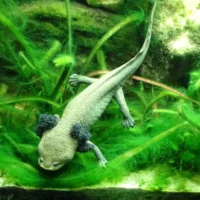
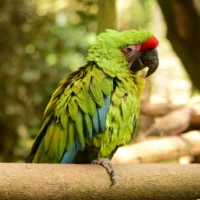
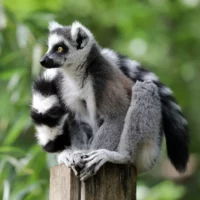
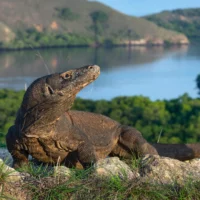
Komodo dragon
Total Population: Around 3,500 in the wild

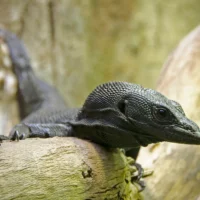
Black tree monitor
Total Population: Unknown
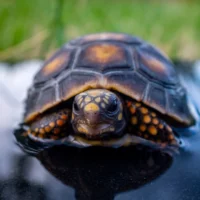
Red-footed tortoise
Total Population: Unknown

Bactrian camel
Total Population: Less than 1,000 in the wild
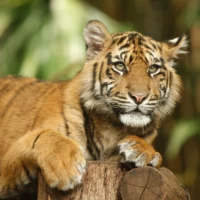
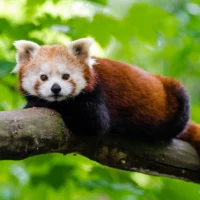
Red Panda
Total Population: Less than 10,000 in the wild
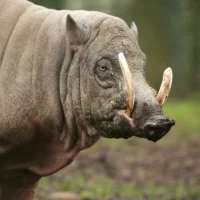
Babirusa
Total Population: Less than 10,000 in the wild
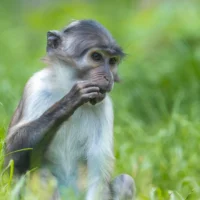
White naped mangabey
Total Population: Around 1,000 in the wild
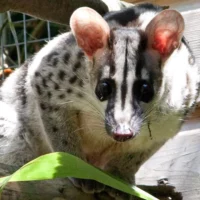
Owston’s palm civet
Total Population: Unknown
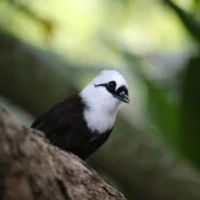
Sumatran laughing thrush
Total Population: 2,500 - 10,000 in the wild
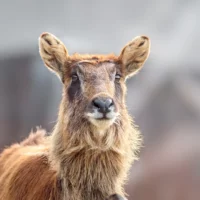
Nile Lechwe
Total Population: 30,000 - 40,000 in the wild
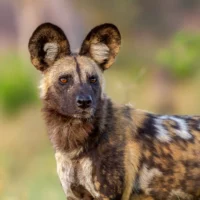
African wild dog
Total Population: Around 6,600 in the wild
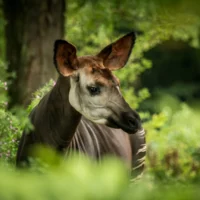
Okapi
Total Population: Less than 25,000 in the wild
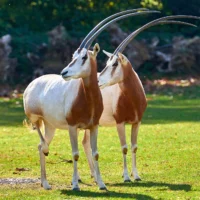
Scimitar-horned oryx
Total Population: Around 400 in the wild