This species uses all levels of the tropical evergreen forests they inhabit, although they prefer the mid canopy. Fruits make up the majority of their diet, but they can also forage on 160 different plant species, bird eggs and insects if necessary. Siamang gibbons are monogamous and do not usually take a new mate if their first partner dies. In combination with their long generation time of 15 years, this makes population recovery slow. Their large throat sac gives them a loud call which travels 2km for territory marking and social calls.

Fun Fact – Their arm length can be 2.6 times their body length, helping them to jump up to 10m between branches!
-
Ecology
-
Threats
As a charismatic species, gibbons are threatened by poaching for the pet trade and human consumption, even in protected areas. Their strict territoriality limits their inclination to disperse in response to disturbances such as fires, which also have a drastic impact on infant survival rates. In some countries, 60% of their already restricted habitat is projected to be lost by 2050 due to increasing forest loss for development and agriculture.
-
Conservation
Local laws and its CITES Appendix I listing protect the species throughout its range, though the extent of the protection offered in reality is unknown. A large captive population is spread around the world, offering hope for the future, but much more in situ conservation is needed, especially through habitat restoration, wildlife corridors and enforcement of poaching laws. The samples stored by Nature’s SAFE are an important step to safeguarding the future of this important primate.
Take action today
Together we can end the extinction crisis
Preserved January 2024
Help us turn the tide on extinction
At least 50 distinct genetic lines are needed to save each species.
On average, it takes £100 to preserve cell and tissue sample from one animal. That’s at least £5,000 to preserve an entire species.
Make a monthly donation to safeguard the future of our natural world.
Donate Now
Fundraise for us
Sponsor a Fundraising Hero embarking on a challenge, or plan your own fundraiser to support us.
Get Started
Corporate participation
Explore opportunities to develop a corporate partnership with us.
Get Started
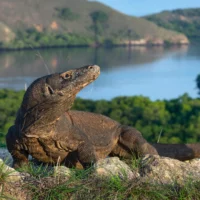
Komodo dragon
Total Population: Around 3,500 in the wild
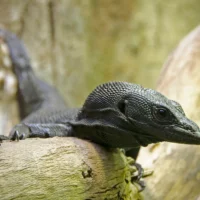
Black tree monitor
Total Population: Unknown
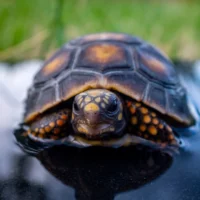
Red-footed tortoise
Total Population: Unknown

Bactrian camel
Total Population: Less than 1,000 in the wild
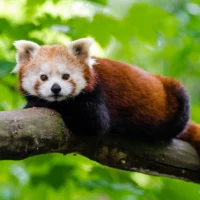
Red Panda
Total Population: Less than 10,000 in the wild
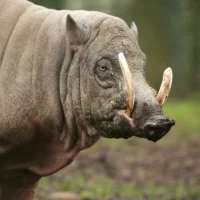
Babirusa
Total Population: Less than 10,000 in the wild
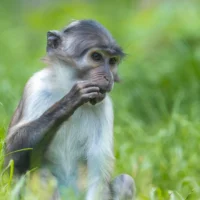
White naped mangabey
Total Population: Around 1,000 in the wild
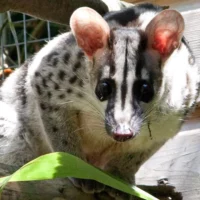
Owston’s palm civet
Total Population: Unknown
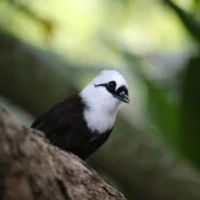
Sumatran laughing thrush
Total Population: 2,500 - 10,000 in the wild
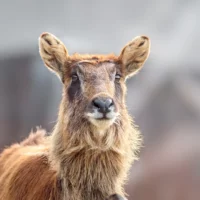
Nile Lechwe
Total Population: 30,000 - 40,000 in the wild
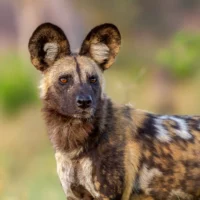
African wild dog
Total Population: Around 6,600 in the wild
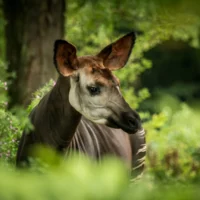
Okapi
Total Population: Less than 25,000 in the wild
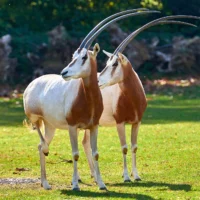
Scimitar-horned oryx
Total Population: Around 400 in the wild