Sowerby’s beaked whales are highly social animals, so are often seen travelling in pairs. Pods of up to ten individuals have been recorded in the wild. They use high frequency sounds to echolocate and to hunt for cephalopods and fish, which they eat using suction. As adults, they weigh up to 1,300 kilograms and reach up to 6.5 metres long.
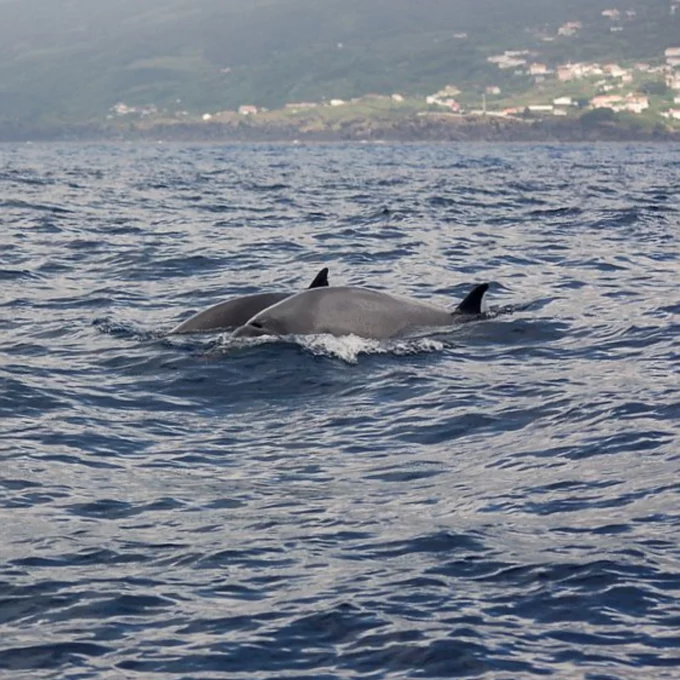
Fun Fact – These whales have been recorded to dive for up to 28 minutes and travel up to 800 metres underwater!
-
Ecology
-
Threats
Sowerby’s beaked whales have become caught as bycatch in fishing equipment such as driftnets, which is traumatic or even fatal and can cause injuries to fishermen as well as whales. Ocean-based noise pollution such as sonar from boats also disrupts their echolocation, meaning they struggle to navigate and hunt.
-
Conservation
These whales are listed on Appendix II of CITES, meaning trade must be regulated to ensure the survival of the species. Far more action is needed to determine the main threats and to discover more about this little-known whale species. The samples stored by Nature’s SAFE are an important step in preserving Sowerby’s beaked whales for the future.
Take action today
Together we can end the extinction crisis
Preserved January 2024
Help us turn the tide on extinction
At least 50 distinct genetic lines are needed to save each species.
On average, it takes £100 to preserve cell and tissue sample from one animal. That’s at least £5,000 to preserve an entire species.
Make a monthly donation to safeguard the future of our natural world.
Donate Now
Fundraise for us
Sponsor a Fundraising Hero embarking on a challenge, or plan your own fundraiser to support us.
Get Started
Corporate participation
Explore opportunities to develop a corporate partnership with us.
Get Started
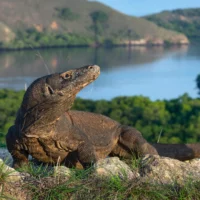
Komodo dragon
Total Population: Around 3,500 in the wild
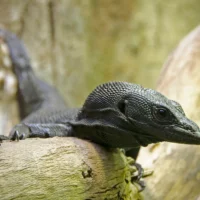
Black tree monitor
Total Population: Unknown
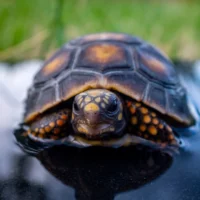
Red-footed tortoise
Total Population: Unknown

Bactrian camel
Total Population: Less than 1,000 in the wild

Red Panda
Total Population: Less than 10,000 in the wild
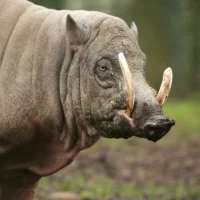
Babirusa
Total Population: Less than 10,000 in the wild
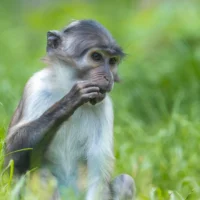
White naped mangabey
Total Population: Around 1,000 in the wild
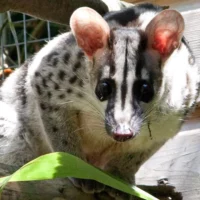
Owston’s palm civet
Total Population: Unknown
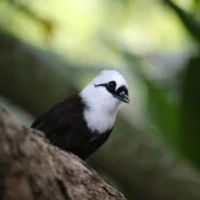
Sumatran laughing thrush
Total Population: 2,500 - 10,000 in the wild
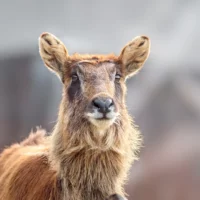
Nile Lechwe
Total Population: 30,000 - 40,000 in the wild
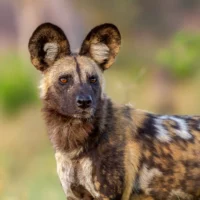
African wild dog
Total Population: Around 6,600 in the wild
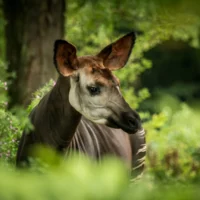
Okapi
Total Population: Less than 25,000 in the wild
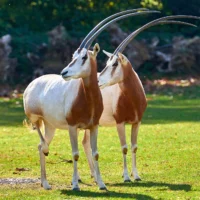
Scimitar-horned oryx
Total Population: Around 400 in the wild