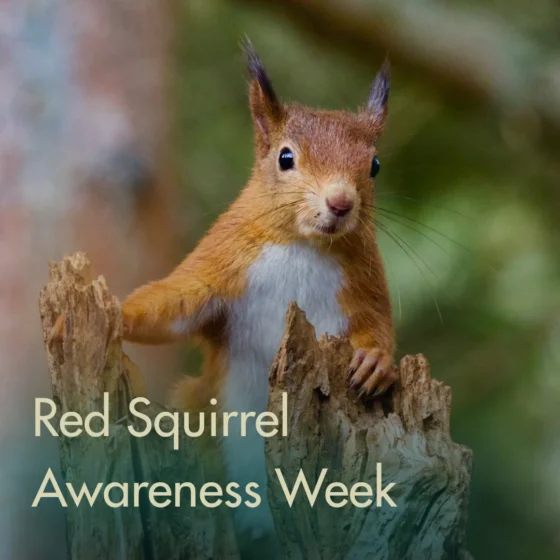
This #RedSquirrelAwarenessWeek we are excited to shine a light on the research being conducted by the University of Edinburgh on population genetics for the species, which we are supporting by providing samples from our biobank.
This project, led by Alexa Hepworth and Rob Ogden at the Royal Dick School of Veterinary Sciences, aims to evaluate the maternal genetic diversity present within ex-situ red squirrel populations by analysing the mitochondrial DNA (mtDNA), inherited exclusively from mothers, of red squirrels from zoos and wildlife parks in the UK. This data will be compared with published data from wild UK and European populations to determine how well captive populations represent maternal genetic variation in the wild.
These findings will inform future conservation breeding, genetic management, and potential reintroduction strategies by identifying whether captive populations represent a valuable reservoir of genetic diversity for the species.
Alexa Hepworth shares more about the project:
“The results will give an initial snapshot of the genetic baseline of the captive population. This can guide breeding and translocation decisions so captive animals act as a real reservoir of diversity and safety net against further losses in the wild.
Biobanked samples make this kind of research possible without disturbing the animals every time a study arises. The samples stay available for future research, so this work can be built on as red squirrel conservation develops.
It is my hope that more collections will get involved in the future, widening the scope of this work and helping conservationists plan breeding that strengthens genetic diversity in our wild red squirrels.”
How are we able to facilitate research like this? Samples preserved in our living biobank remain under the ownership of the submitting institution. However, the sample owner can opt in to donating a portion of each sample to research projects which further knowledge on wildlife health, population genetics, and/or assisted reproductive technologies to inform conservation strategies.
This project is just one of many ways we are working with expert networks to progress innovative conservation efforts and protect vulnerable species from extinction. Visit our Science page to learn more.