Our Team | Science Committee Member

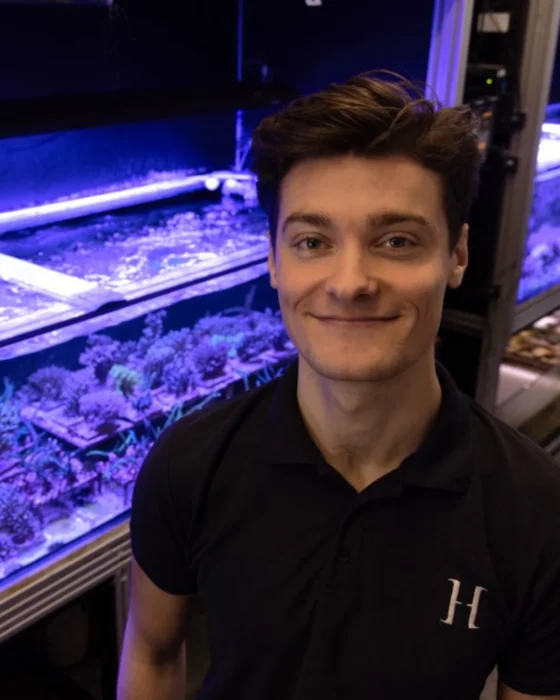
Hartley George


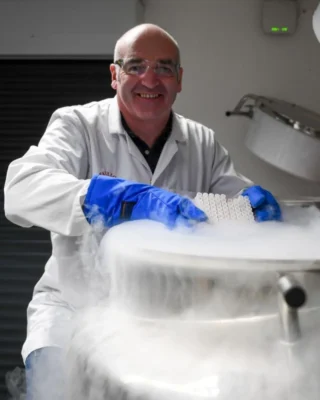
Hartley George is Senior Aquarium Curator at the Horniman Museum and Gardens, where he manages the public aquarium alongside Project Coral, a multi-year research project focusing on the predictable spawning of coral in aquaria.

About Hartley

Hartley George is Senior Aquarium Curator at the Horniman Museum and Gardens, where he manages the public aquarium alongside Project Coral, a multi-year research project focusing on the predictable spawning of coral in aquaria.

Hartley’s work centres on controlled coral spawning and larval rearing, alongside the breeding of sea urchins and other marine invertebrates to support experimental and restoration-focused research. He also contributes to scientific engagement through the public aquarium, helping disseminate the work of Project Coral to a wider audience.

Hartley first worked with Nature’s SAFE when the two organisations came together at the Horniman to cryopreserve coral sperm — the first time this had been achieved in Europe. He joined the Scientific Committee in 2025, contributing experience in the reproduction of marine invertebrates.
Who we are

Our work would not be possible without our incredible team

Tony Noble

Trustee & Fundraising Committee Chair

how to help

For many species, it’s now or never.

Donate Now

or why not Fundraise For Us?

Black tree monitor

Total Population: Unknown

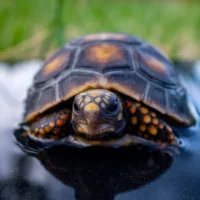
Red-footed tortoise

Total Population: Unknown

Bactrian camel

Total Population: Less than 1,000 in the wild

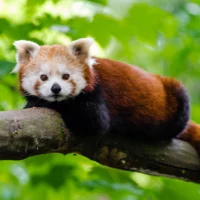
Red Panda

Total Population: Less than 10,000 in the wild

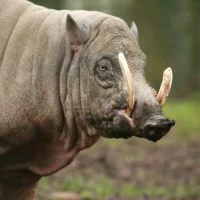
Babirusa

Total Population: Less than 10,000 in the wild

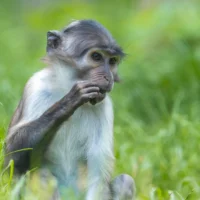
White naped mangabey

Total Population: Around 1,000 in the wild

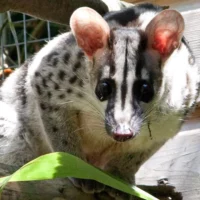
Owston’s palm civet

Total Population: Unknown

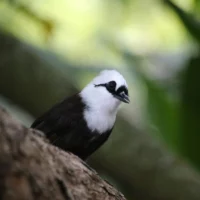
Sumatran laughing thrush

Total Population: 2,500 - 10,000 in the wild

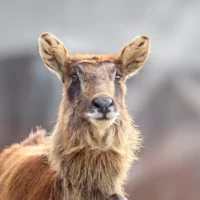
Nile Lechwe

Total Population: 30,000 - 40,000 in the wild

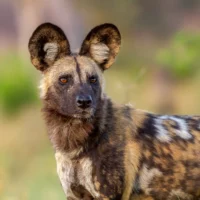
African wild dog

Total Population: Around 6,600 in the wild

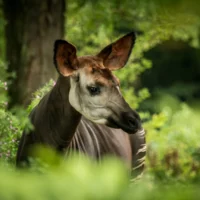
Okapi

Total Population: Less than 25,000 in the wild

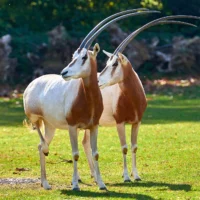
Scimitar-horned oryx

Total Population: Around 400 in the wild