Our Team | Science Committee Member

Prof Ian Mayer

Ian Mayer currently holds the position of Professor in Animal Reproduction at the Institute of Veterinary Medicine, Norwegian University of Life Sciences (NMBU). For the last 20 years he has worked in Norway, first at the University of Bergen (Professor in Aquaculture) followed by NMBU (Professor in Fish Reproduction) where he became interested in fish conservation.

Ian Mayer currently holds the position of Professor in Animal Reproduction at the Institute of Veterinary Medicine, Norwegian University of Life Sciences (NMBU).

After finishing his PhD at the University of Wales, Ian Mayer undertook a Royal Society Postdoctoral Fellowship at Stockholm University where he worked on the neuroendocrine control of seasonal rhythms in fishes. For the last 20 years he has worked in Norway, first at the University of Bergen (Professor in Aquaculture) followed by NMBU (Professor in Fish Reproduction) where he became interested in fish conservation.

Currently he is the coordinator of the EU HORIZON MSCA Doctoral Network CryoStore (Innovation in germplasm cryopreservation for improved animal breeding and the conservation of Europe’s livestock biodiversity).

Who we are

Our work would not be possible without our incredible team

Tony Noble

Trustee & Fundraising Committee Chair

how to help

For many species, it’s now or never.

Donate Now

or why not Fundraise For Us?

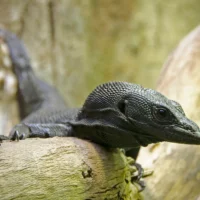
Black tree monitor

Total Population: Unknown

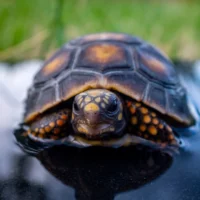
Red-footed tortoise

Total Population: Unknown

Bactrian camel

Total Population: Less than 1,000 in the wild

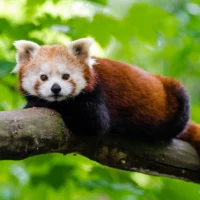
Red Panda

Total Population: Less than 10,000 in the wild

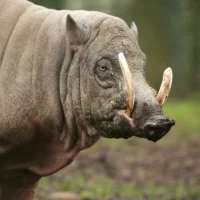
Babirusa

Total Population: Less than 10,000 in the wild

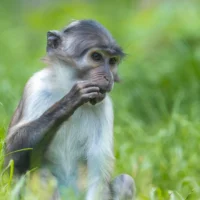
White naped mangabey

Total Population: Around 1,000 in the wild

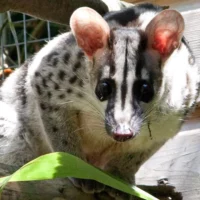
Owston’s palm civet

Total Population: Unknown

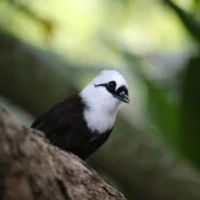
Sumatran laughing thrush

Total Population: 2,500 - 10,000 in the wild

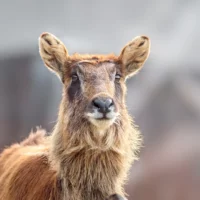
Nile Lechwe

Total Population: 30,000 - 40,000 in the wild

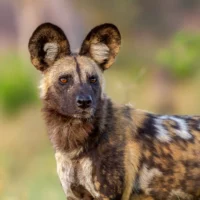
African wild dog

Total Population: Around 6,600 in the wild

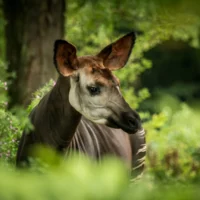
Okapi

Total Population: Less than 25,000 in the wild

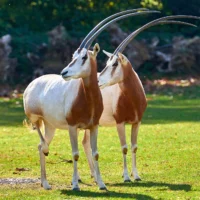
Scimitar-horned oryx

Total Population: Around 400 in the wild