Among the specialists were Nature’s SAFE, a wildlife biobanking charity, who preserved a skin sample from the rhino’s ear. By preserving skins cells while they were still in a living state, the charity had banked its hope upon the cells remaining alive while cryopreserved at -196⁰C, so that when thawed out in the future they could be revived and cultured to create fresh cell lines.
This is the first stage in an innovative process that could allow scientists to develop new egg or sperm cells from this rhino, enabling it to contribute to the breeding population of Southern white rhino for years into the future.
The goal of Nature’s SAFE is to Save Animals From Extinction. They do this by protecting the genetic diversity of wild animal species and supporting advanced assisted reproductive technologies (like artificial insemination and in-vitro fertilisation) which are used to maintain and restore healthy animal populations. This makes species more resilient against extinction and protects the biodiversity of our planet.
“By preserving and cultivating skin cells from threatened species, we are building a living library of genetic material that can be used to help restore genetic diversity to declining animal populations and prevent extinction. The key benefit of utilising skin cells is that we can obtain them easily and continue to regenerate them indefinitely; they are not a finite resource. This provides a powerful, proven way to protect DNA within a functional cell.”
In April 2025, the cells were carefully removed from the liquid nitrogen storage tanks and thawed out. Nearly 4 years after the rhino’s death, the team at Nature’s SAFE successfully cultured these cells and have grown new cell lines.
Lucy Morgan, the lab technician behind this success, explains how it happened:
“On average, cell culture takes 7 to 10 days to complete. As this was our first rhino cell culture, we were a little unsure if this same timeline would be followed. But, we are proud to report that cells grew exceptionally well in culture and have now been preserved for future applications.
These cells represent living DNA from this rhino that is readily available for conservation use even though the rhino itself is deceased. These cells could allow for the creation of gametes from their living genetics through induced pluripotent stem cell technology, which can then be used to assist reproduction. For now, the samples will remain safely in storage at Nature’s SAFE, ready for future use as and when instructed by the conservation partner in ownership of the samples. “
This is a hallmark for the potential of wildlife biobanking technology in conservation. Nature’s SAFE has now stored biological samples from 300 species, including 37 which are Critically Endangered and 4 which are Extinct in the Wild. Successful cell cultures are a pivotal step in restoring these populations to sustainable numbers. Tullis Matson, Founder and Chair of Nature’s SAFE, says:
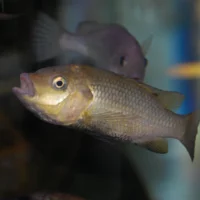
“This could be an absolute game-changer moving forward. Now, we’ve proven that this rhino’s cells are truly in a living state even though she passed away almost 4 years ago. This is a powerful tool for protecting many more of our Critically Endangered species; animals like the mountain chicken frog or Lake Patzcuaro salamander, which otherwise might have fallen into extinction, could be saved using these new biobanking technologies. We are over the moon – this brings hope not just to the Southern white rhino, but to any species on the brink!”
Nature’s SAFE, Europe’s first living biobank for endangered animals dedicated to halting the catastrophic decline in global biodiversity, is pleased to announce that it is joining the Global Coalition #UnitedforBiodiversity, initiative of the European Commission.
Nature’s SAFE, the conservation charity on a mission to Save Animals From Extinction, is expanding its collaborative network having formed an exciting new partnership with Shepreth Wildlife Park.
We use cookies to optimise our website and our service.
Functional
Always active
The technical storage or access is strictly necessary for the legitimate purpose of enabling the use of a specific service explicitly requested by the subscriber or user, or for the sole purpose of carrying out the transmission of a communication over an electronic communications network.
Preferences
The technical storage or access is necessary for the legitimate purpose of storing preferences that are not requested by the subscriber or user.
Statistics
The technical storage or access that is used exclusively for statistical purposes.The technical storage or access that is used exclusively for anonymous statistical purposes. Without a subpoena, voluntary compliance on the part of your Internet Service Provider, or additional records from a third party, information stored or retrieved for this purpose alone cannot usually be used to identify you.
Marketing
The technical storage or access is required to create user profiles to send advertising, or to track the user on a website or across several websites for similar marketing purposes.